


Spanish Nationality: What Expats Need to Know Before Applying
Most expats arrive in Spain focused on the basics — getting their visa approved, finding a place to live, and figuring out how everything works. But over time, something shifts.
What once felt unfamiliar becomes routine, what was temporary starts to feel stable, and without even noticing, Spain begins to feel like home. And then, a new question naturally appears: What’s the next step?
For many expats, the answer becomes clear — turning that life into something permanent through Spanish nationality.
Obtaining Spanish nationality means becoming a full legal citizen of Spain, with access to:
- the right to live and work without restrictions
- a Spanish passport
- long-term legal stability
Spanish Nationality Requirements
One of the most important things to understand is that Spanish nationality is not a one-size-fits-all process.
According to the Spanish Civil Code (Código Civil, Article 22):
- The general requirement is 10 years of legal residence
- This period can be reduced in specific cases:
- 2 years for citizens of Ibero-American countries (such as Mexico, Peru, Argentina, and Colombia, among others), as well as nationals of the Philippines, Equatorial Guinea, Portugal, or individuals of Sephardic origin
- 1 year in particular circumstances (such as marriage to a Spanish citizen, being born in Spain, or having Spanish ancestry)
However, meeting the residency requirement is just the starting point. What really makes the difference is how your application is prepared and presented.
The Spanish Nationality Process: More Than JustPaperwork
Many expats assume that once they meet the requirements, applying is straightforward. In reality, the Spanish nationality process involves:
- collecting and validating documentation
- proving continuous legal residence
- passing the required exams — CCSE and DELE, when applicable — is also part of the process, and many applicants underestimate their impact on the overall timeline. We break it down step by step in our full guide below.
- submitting the application correctly
In recent years, public discussions and high-profile cases have highlighted how Spain evaluates residency and legal ties to the country — reinforcing how important it is to properly understand your legal situation before applying.
But beyond public examples, what we see most often is that many expats qualify — but still face delays. Not because they’re not eligible, but because the process wasn’t approached strategically.
Why Legal Strategy Matters for Spanish Nationality
Applying for Spanish nationality is not just about submitting documents. It’s about building a strong, well-structured legal case from the beginning.
A proper approach includes:
- reviewing and validating all documentation
- structuring your application correctly
- ensuring everything aligns with legal requirements
- choosing the right submission pathway. Read more about dual nationality — a key factor many expats overlook: [link]
Another factor that can significantly impact your process is how your application is submitted. At Relocation for Expats, we work through the Colegio de Gestores Administrativos de Madrid — an alternative pathway that provides a more structured and controlled approach. This can lead to more efficient timelines, depending on how the process is handled — something we explain in more detail in our guide.
Download the Complete Guide to Spanish Nationality
Before starting your application for Spanish nationality, it’s essential to understand the full picture. That’s exactly why we created a complete, structured guide designed specifically for expats like you.
Download the full guide here and take the next step with clarity:
Your Next Chapter in Spain
Living in Spain is already a major step. Applying for Spanish nationality is what transforms that experience into long-term stability and belonging.
At Relocation for Expats, we help you understand your legal situation, prepare your application properly, and move forward with confidence. Because this step is not just legal. It’s personal.
Related Posts
St. James’ Day in Spain: Discover Everything Expats Need to Know About July 25
St. James' Day in Spain: Discover Everything Expats Need to Know About July 25 The…

How to Rent an Apartment in Spain During Peak Season (And Avoid the Common Pitfalls)
How to Rent an Apartment in Spain During Peak Season (And Avoid the Common Pitfalls)…
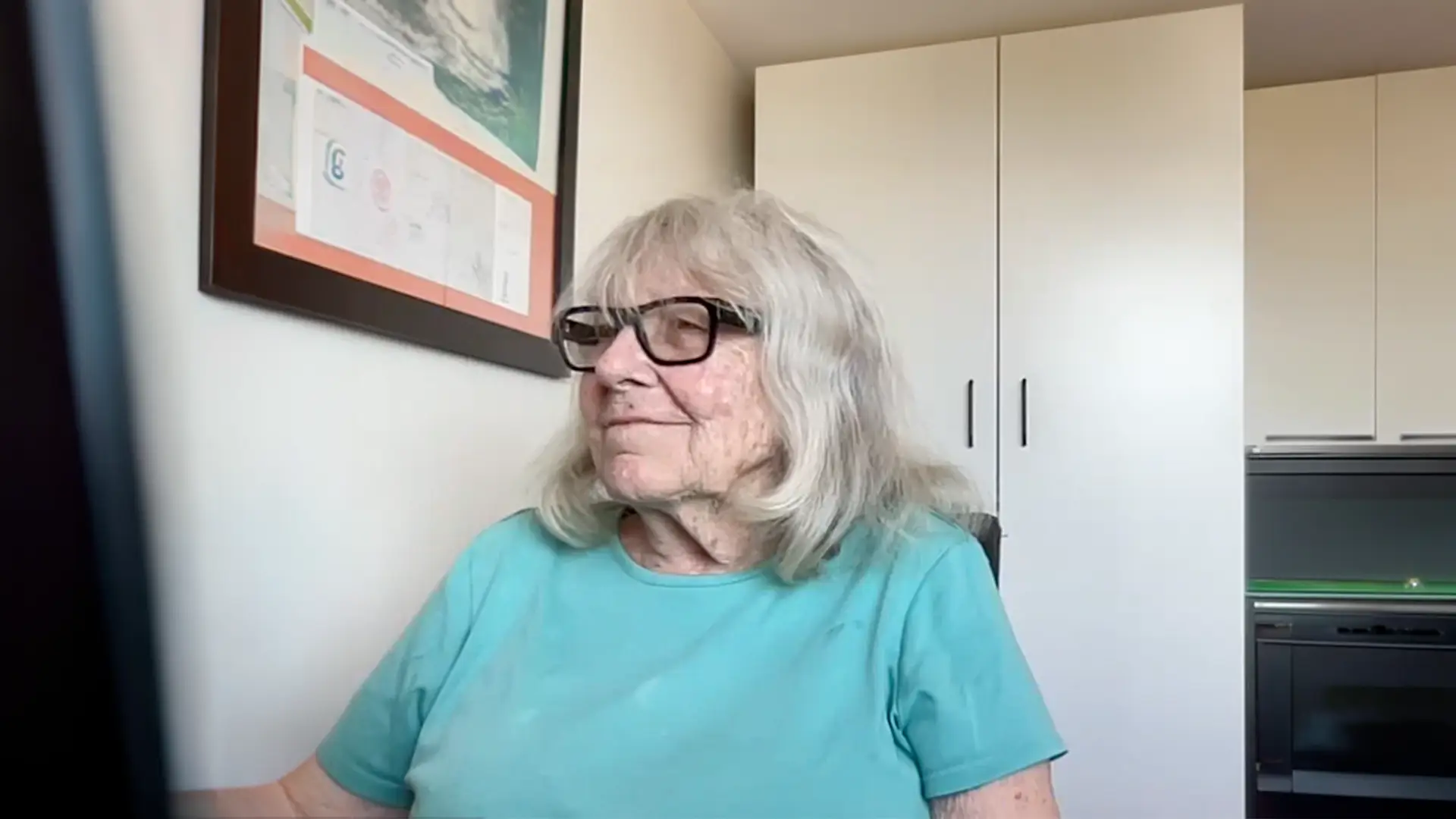
Expat Talks! | Episode 2: How Carol Zucca Found a True Home in Spain
What does it feel like to truly find a home abroad? In Episode 2 of…

Sworn Translations in Spain: What You Need and When
Planning a move to Spain? Many visa, residency, academic, and civil procedures require official sworn…