
Mother’s Day in Spain: Why Expats Get Two Chances to Celebrate Mom

Mother’s Day is a special moment almost everywhere in the world — even if it’s celebrated on different dates.

In Spain, it often feels like a slow Sunday, with families gathering around a special meal, where classics like “Madre” by Raphael (1969) could quietly play in the background. In the United States, the atmosphere tends to be more modern, with songs like “The Best Day” by Taylor Swift capturing the emotion of the day — often accompanied by traditions such as greeting cards and giving carnations.

Different sounds, different traditions — but the same intention: celebrating a mother’s love. And when you’re living abroad, these moments can feel even more meaningful, as familiar emotions are experienced through entirely new customs.

Different Dates, Same Meaning

One of the first things many expats notice is that Mother’s Day doesn’t fall on the same date everywhere.

In Spain, it’s celebrated on the first Sunday of May, while in the United States it takes place on the second Sunday of the same month. Although the dates are close, the origins behind them are different.

In the U.S., the modern celebration began in 1908, when activist Anna Jarvis organized a memorial to honor her mother. By 1914, it was officially recognized as a national holiday.

In Spain, Mother’s Day was originally celebrated on December 8th, linked to the Catholic feast of the Immaculate Conception. It later moved to May in the 1960s, aligning with springtime and the beginning of the Mes de María (Month of Mary), which gave the celebration both cultural and religious significance.

Mother’s Day in the United States

In the United States, Mother’s Day is often expressed through meaningful gestures that combine tradition with modern habits.

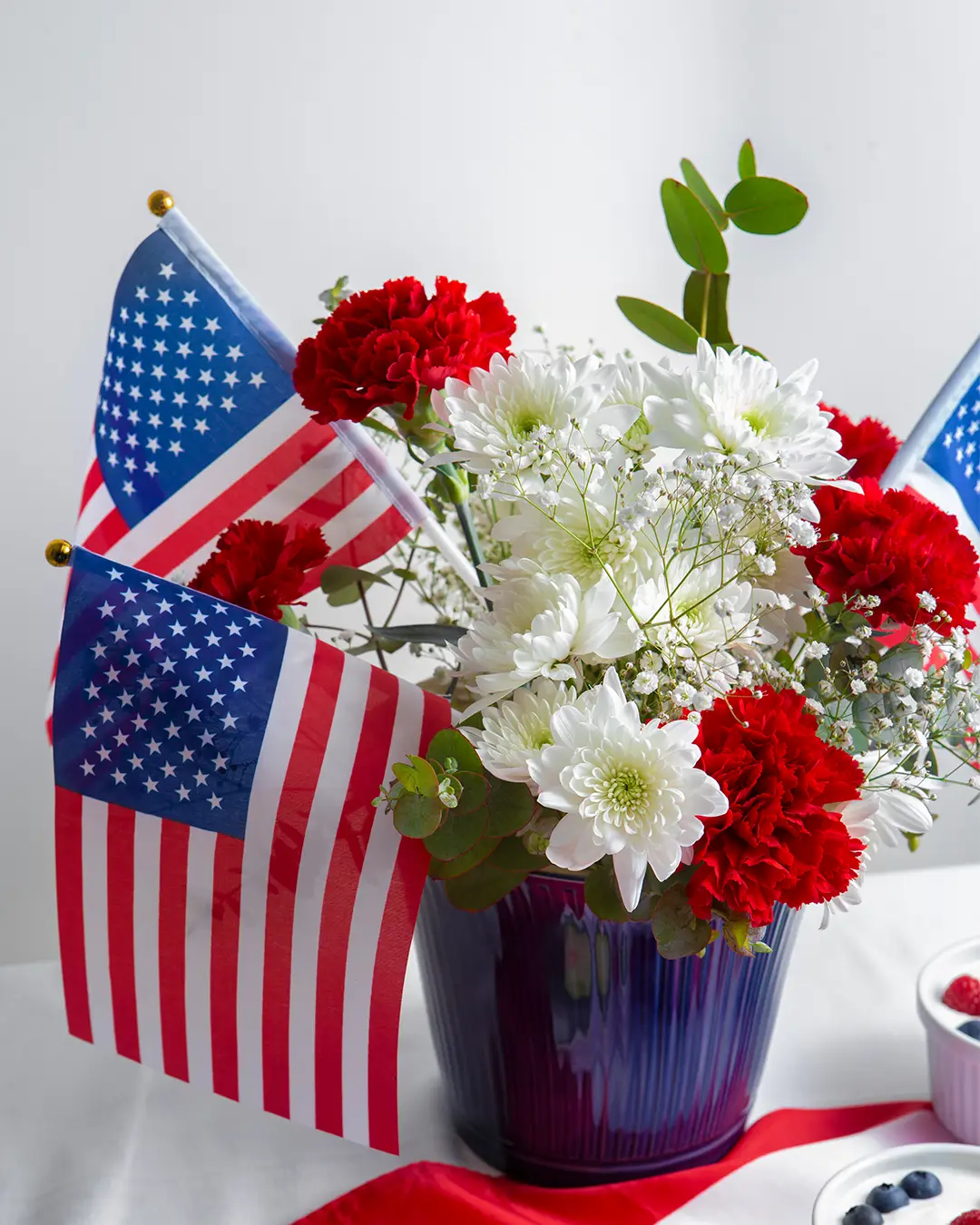
One of the most symbolic elements is the use of carnations, a tradition introduced by Anna Jarvis. Red carnations are given to honor living mothers, while white carnations remember those who have passed. Although not everyone is aware of this distinction today, it remains a meaningful part of the celebration.

The day is also closely associated with showing appreciation through gestures such as handwritten cards, flowers, and thoughtful gifts. In fact, Mother’s Day is one of the largest occasions for greeting cards in the country.

Another well-known tradition is going out for Mother’s Day brunch, where families come together to celebrate. Restaurants across the country tend to be especially busy, reflecting how important it is to share the day together.

Today, it is also one of the most significant retail holidays of the year, with many people choosing to celebrate through experiences and special gifts. At its core, however, the intention remains the same: making mothers feel appreciated and loved.

Mother’s Day in Spain

A Curious Fact

The story behind Mother’s Day in the United States has an interesting twist. Anna Jarvis, who founded the holiday, later shared concerns about how quickly it became more commercial as it grew in popularity.

Mother’s Day in Spain

In Spain, the celebration often feels more centered around time together. Families gather to share a meal, often with multiple generations at the table. The pace of the day is usually slower, creating space for connection and conversation.

A key part of this experience is the sobremesa, the time spent talking after the meal. On Mother’s Day, this moment becomes just as important as the meal itself. Conversations can last for hours, reflecting a cultural approach where being together is at the heart of the celebration.

Over time, the celebration in Spain has grown to reflect a broader idea of motherhood: one that goes beyond biology and focuses on care, presence, and emotional connection. It’s a way of recognizing all those who take on a maternal role in someone’s life.

Gifts are also part of the day, with flowers, small details, and handmade gestures being common, especially from children. Like in many places, the commercial aspect exists, but it naturally blends with a strong emphasis on family and shared experiences.

Celebrating Mother’s Day Abroad

For expats, Mother’s Day often carries an added layer of meaning. Living abroad means navigating different traditions, sometimes in another language, and occasionally balancing two calendars at once. It’s not uncommon for expats to celebrate twice — once according to the date in their home country, and again in their country of residence.

In many cases, it’s also a celebration lived at a distance. Video calls, messages, and small gestures become ways to stay connected, turning what could feel like distance into closeness.

And in that process, something special happens: you create your own way of celebrating, combining traditions from both places.

Happy Mother’s Day

No matter where you are in the world — Spain, the United States, or anywhere else — Mother’s Day is a reminder of something universal.

But perhaps the most important takeaway is that you don’t have to wait for a specific day to show appreciation.

And in places like Spain, where expressions like “¡Madre mía!” are part of everyday language, it’s a subtle reminder of how present the idea of “mother” really is not just on a specific day, but in daily life.

To all the mothers living abroad, those building a life in a new country, adapting to new cultures, and sometimes celebrating from a distance, this day carries an even deeper meaning.

From Relocation for Expats, we want to recognize your strength, your resilience, and everything it takes to create a home away from home.

Did you know?

“Madre mía” is a common Spanish expression used to convey strong surprise or emotion. Its origins are sometimes linked to references to the Virgin Mary, although today it’s widely used as a natural exclamation in everyday conversation. It can also carry a protective or maternal connotation, especially when used in response to something difficult.

Post a comment

Your email address will not be published.

Información básica sobre protección de datos Ver más

  • Responsable: CABR RELOCATION SOLUTIONS FOR EXPATS.
  • Finalidad:  Moderar los comentarios.
  • Legitimación:  Por consentimiento del interesado.
  • Destinatarios y encargados de tratamiento:  No se ceden o comunican datos a terceros para prestar este servicio. El Titular ha contratado los servicios de alojamiento web a Godaddy que actúa como encargado de tratamiento.
  • Derechos: Acceder, rectificar y suprimir los datos.

Related Posts